Home Networking-“Upgrade your home’s digital foundation with professional managed networking. Move beyond the limitations of standard ISP routers with a robust network backbone. Discover how professional structured cabling ensures seamless connectivity, future-proofs your smart home, and increases your property value.”
Professional Managed Home Networking-Kenya,Uganda & Tanzania:
The Digital Backbone: Why Your Home Needs Professional Networking
In the era of 4K streaming, remote work, and smart home ecosystems, the “free” router provided by your Internet Service Provider (ISP) is often the weakest link in your home. To truly unlock the potential of high-speed fiber or cable internet, your home requires a professional managed networking solution.
1. The Hidden Limitations of ISP Routers
Most homeowners rely on an all-in-one ISP modem/router combo. While convenient, these consumer-grade devices face significant hurdles:
-
Congestion & Lag: They struggle to manage more than a handful of simultaneous connections, leading to buffering during peak usage.
-
Limited Range: Standard ISP routers often fail to penetrate thick walls or reach the far corners of a house, creating frustrating “dead zones.”
-
Security Vulnerabilities: Generic hardware is a frequent target for cyber threats and rarely receives the granular security updates provided by managed systems.
-
Lack of Control: You cannot prioritize bandwidth for critical tasks like video conferencing or gaming over background downloads.
2. Building a Robust Network Backbone
A managed network replaces the “jack-of-all-trades” ISP box with a robust network backbone consisting of enterprise-grade components:
-
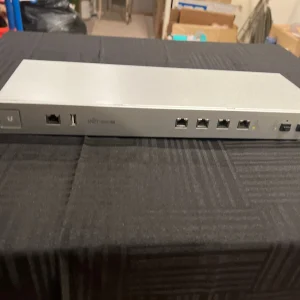
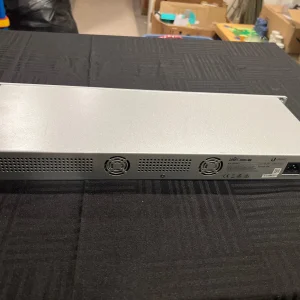
Dedicated Routers & Switches: High-performance hardware that handles massive data throughput without breaking a sweat.
-
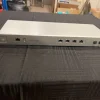
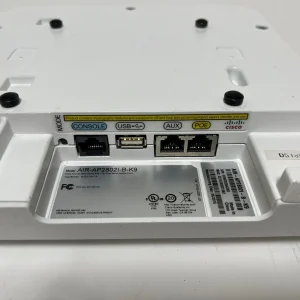
Wireless Access Points (WAPs): Strategically placed throughout the home to provide 100% Wi-Fi coverage with seamless roaming.
-
Traffic Management: Intelligently prioritize traffic so your work calls remain crystal clear even while the kids are gaming in the next room.
3. Structured Cabling: An Investment in Property Value
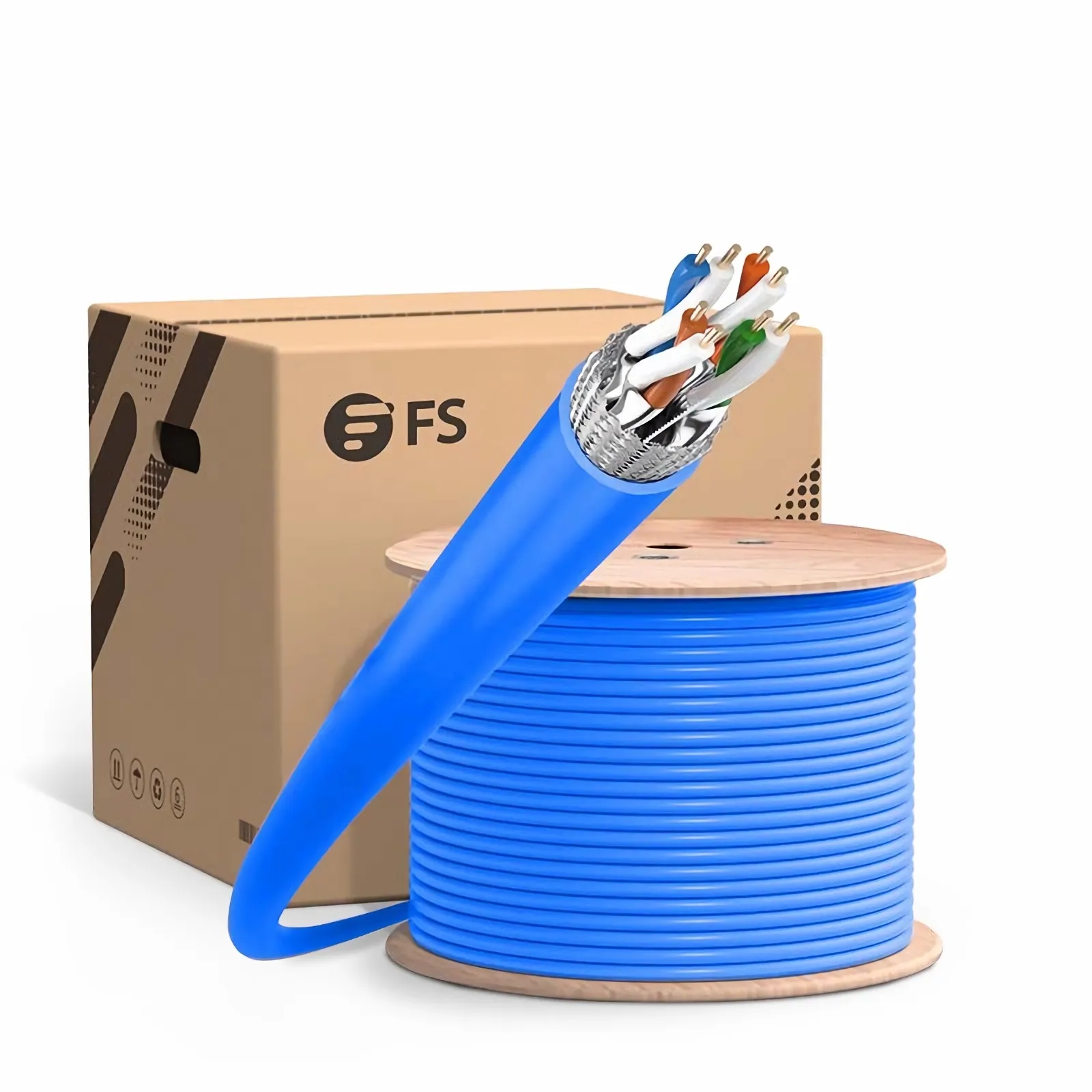
The “invisible” part of a professional network—structured cabling—is perhaps the most important. Running high-quality Cat6 or Fiber optic lines through your walls does more than just provide speed; it acts as your home’s “nervous system.”
-
Reliability: Wired connections provide the stability that Wi-Fi can never match, especially for fixed devices like Smart TVs, Security Cameras, and Home Offices.
-
Future-Proofing: As bandwidth demands grow, having the physical infrastructure in place allows for easy hardware upgrades without tearing open walls.
-
Property Appreciation: Modern buyers view “Smart Home Readiness” as a top-tier amenity. A home with professional-grade structured cabling is perceived as a premium, move-in-ready asset, significantly increasing its market value.
Technical Specifications & Engineering Standards
The following standards apply across our managed networking tiers to ensure a “Qubit Standard” of reliability and security.
Network Architecture & Protocol Support
-
Routing Engine: All tiers utilize dedicated hardware-based routing (bypassing ISP software) to support high-throughput NAT, hardware offloading, and advanced stateful packet inspection (SPI) firewalls.
-
Layer 2/3 Switching: Tier 2 and Tier 3 leverage non-blocking switching fabrics, ensuring that internal data transfers (e.g., streaming from a media server to a TV) do not congest your internet bandwidth.
-
Wireless Standards: Support for the latest IEEE 802.11 standards (Wi-Fi 6/6E and Wi-Fi 7 ready), featuring Multi-User MIMO (MU-MIMO) and Beamforming technology to focus signal directly to active devices.
Security & Privacy Framework
-
Edge Security: Every deployment includes a hardened perimeter firewall to mitigate DDoS attacks and unauthorized intrusion attempts.
-
Logical Isolation (Tier 3): Implementation of 802.1Q VLAN tagging to create cryptographically separated environments for IoT, Guest, and Private Data traffic.
-
DNS Encryption: Support for DNS over HTTPS (DoH) or DNS over TLS (DoT) to prevent ISP-level tracking of your browsing habits.
Power & Physical Infrastructure
-
Power Delivery: Tier 2 and 3 utilize IEEE 802.3af/at/bt (PoE/PoE+/PoE++) standards, allowing for high-performance peripherals to be powered over a single copper strand up to 100 meters from the source.
-
Thermal Management: Tier 3 deployments include active or passive ventilation solutions within a structured enclosure to ensure hardware longevity by maintaining optimal operating temperatures.
-
Cabling Integrity: All physical backbone installations utilize TIA/EIA-568-C.2 compliant cabling (Cat6 or higher) to support future 10Gbps local area network (LAN) speeds.
We are just a call away whether you are in Arusha, Moshi, or Dar es Salaam Tanzania. Being based close to Mombasa Road Kenya, we are conveniently located to serve those in Syokimau , Kitengela. Ruaka,Juja, Karen,Muthaiga, Ngong Road, Utawala ,and Katani among others. We works across Kenya.
 No products in the cart.