Why Your Smart Home Needs a Strong Network Backbone
A smart home is only as reliable as the network supporting it. For homeowners in Kenya, Uganda, and Tanzania, professional networking is the foundation for connected, secure and resilient living.
The allure of a smart home is undeniable. Imagine walking into a house where the lights adjust to your mood, the thermostat anticipates your arrival, and your security system offers peace of mind from halfway across the globe. However, for many homeowners in Kenya, Uganda, and Tanzania, this dream quickly dissolves into a frustrating cycle of “Device Offline” notifications and unresponsive voice commands.
The culprit is rarely the smart devices themselves. Instead, the failure usually lies beneath the surface in the network backbone. At Qubit ICT Solutions, we have seen countless high-end smart home installations fail because they were built on a foundation of “bad networking.”
A reliable smart home begins with a robust network backbone, not the devices themselves. Professional structured cabling, resilient LAN design, strategic wireless coverage, segmentation and fiber backbones help reduce congestion, dropouts and security vulnerabilities while creating a scalable foundation for connected homes across East Africa.
The Illusion of “Plug and Play” when it comes to smart home components
Smart devices may be easy to purchase, but a growing connected home places increasingly demanding requirements on the network underneath them.
Many consumers believe that buying a smart hub and a few Wi-Fi bulbs is all it takes. But as you add more devices—cameras, smart locks, speakers, and sensors—your domestic network begins to groan under the pressure.
A typical modern home might have 30 to 50 connected devices. If these are all fighting for bandwidth on a standard ISP-provided router, the result is network congestion. This is where the nightmare begins: your smart doorbell lags when someone is at the gate, or your smart blinds refuse to close because the signal couldn’t penetrate the wall.
Delayed Commands
The delay between your command and the action. A three-second delay for a light to turn on feels like an eternity in a smart home.
Devices Going Offline
Devices frequently disconnecting, requiring manual resets.
Wireless Instability
Too many wireless signals on the 2.4GHz band causing “crosstalk” and instability.
Network Vulnerabilities
Weak network design makes your entire home an easy target for cyber-intrusions.
Four reasons to build the network before the smart home
Reliable Connectivity
A strong network backbone helps reduce latency, dropouts and the frustrating “Device Offline” experience.
Better Performance
Structured cabling and professional LAN design help move high-bandwidth devices away from congested wireless connections.
Stronger Security
VLAN segmentation and resilient network architecture help separate smart home devices from guest Wi-Fi and personal computers.
Future-Ready Infrastructure
Scalable cabling, managed switches and fiber optic backbones create infrastructure designed for tomorrow’s connected home.
The Network Backbone: The Unsung Hero of a smart home set up
The devices may be visible, but the network is what allows the entire smart home to function as one connected system.
Think of your smart home like a high-performance sports car. The smart devices are the sleek body and powerful engine, but the networking is the road. No matter how fast the car is, it cannot perform on a mud track filled with potholes.
A robust network backbone is a prerequisite for any smart home deployment. This involves a strategic combination of high-speed wired connections and seamless wireless coverage. Without a professional LAN (Local Area Network) design, you aren’t building a smart home; you’re building a collection of expensive headaches.
Why Wired Connections Matter in a Wireless World
It sounds counterintuitive, but the secret to great Wi-Fi is more wires. By using Structured Cabling, we offload high-bandwidth devices (like 4K security cameras, gaming consoles, and media servers) onto a physical wire. This clears the “airwaves” for mobile devices and small sensors that truly need the wireless connection.

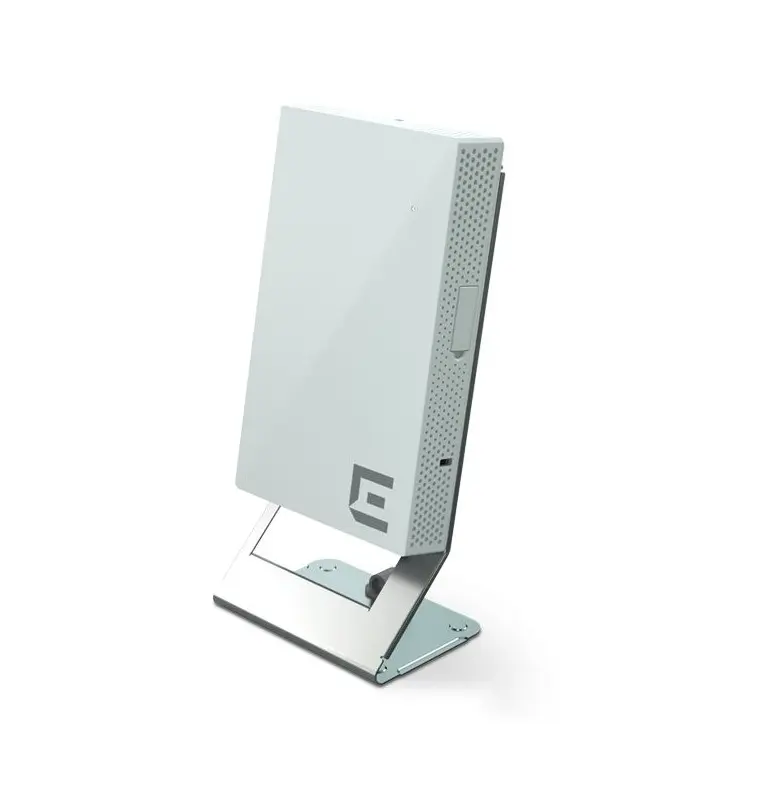
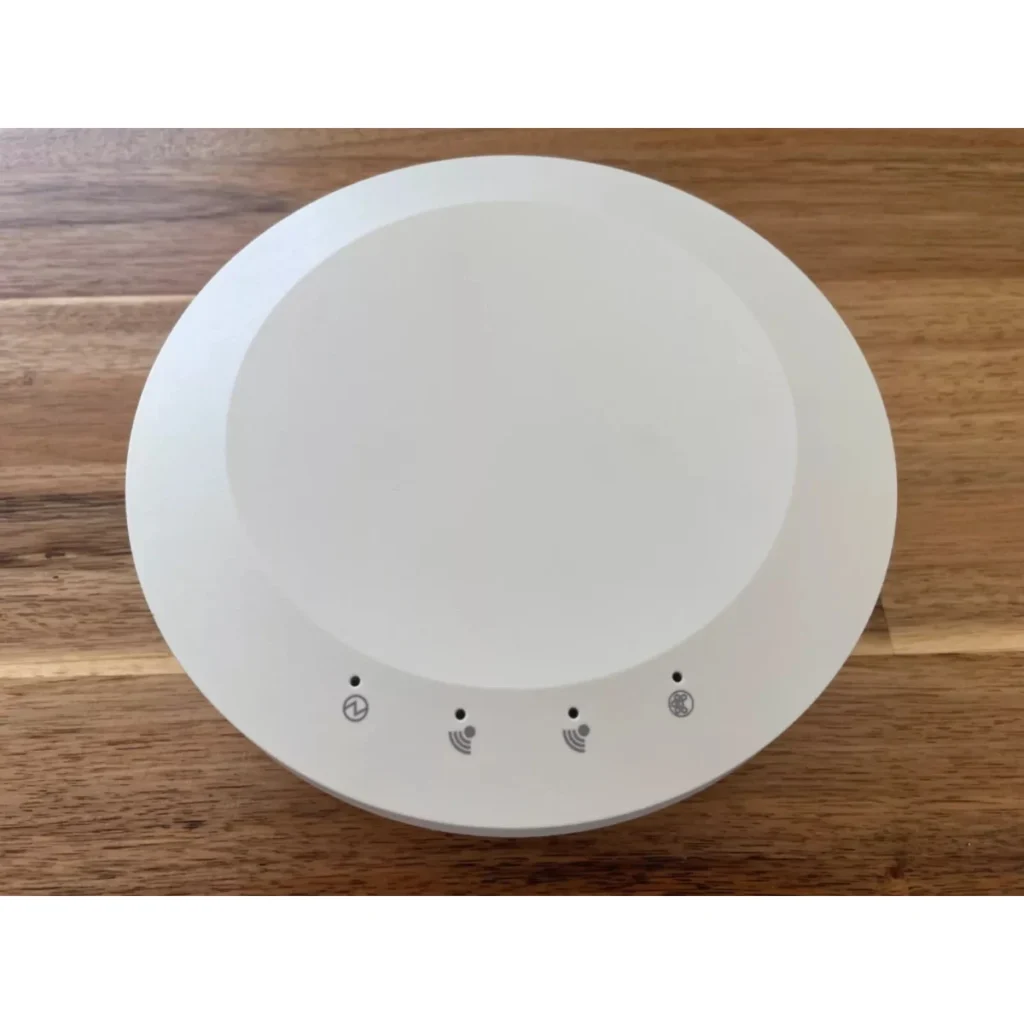
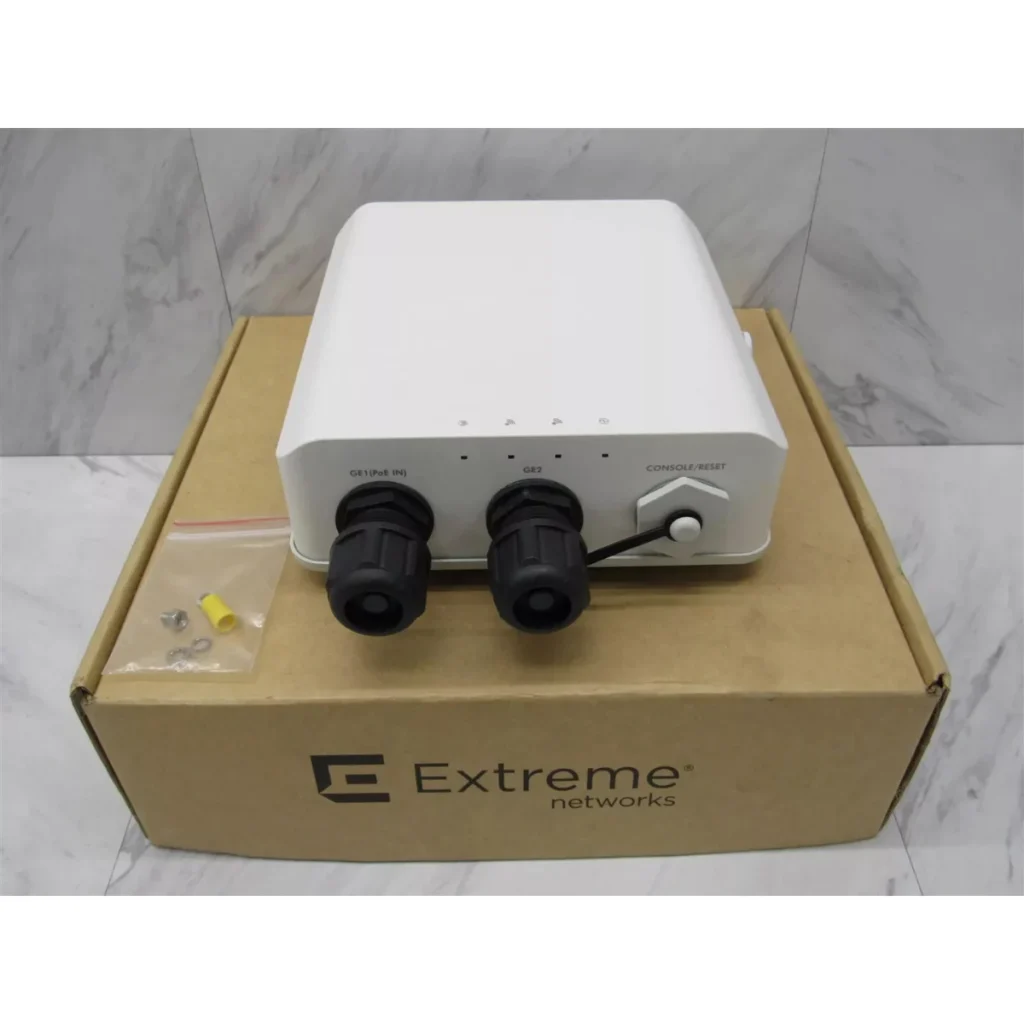
The Qubit ICT Difference: Due Diligence First
Smart home infrastructure should be engineered around the building, its environment and its future requirements—not simply installed device by device.
At Qubit ICT Solutions, we don’t just “install gadgets.” We are engineers first. Our philosophy is simple: We do not deploy smart systems until we are certain the network can handle them.
Before a single smart switch is installed, our team performs a comprehensive site survey and network audit. We look at wall thickness, electromagnetic interference, and potential dead zones. This due diligence ensures that once your system is live, it stays live.
Building-Aware Planning
Wall thickness, electromagnetic interference and potential dead zones are considered before deployment.
Capacity Before Installation
The existing network is assessed before smart home systems are deployed.
Non-Intrusive Installation
Infrastructure is designed to protect the appearance and aesthetic integrity of the home.
Resilient and Scalable
The network is designed for tomorrow rather than only the devices and requirements of today.
Our Policy: Non-Intrusive, Aesthetic Excellence
One of the biggest fears homeowners have regarding networking is the “mess.” You’ve spent millions on your interior design; the last thing you want is white plastic casing running across your walls.
- No Surface Trunking: As a strict company policy, we do not accept surface trunking as an option. It is unsightly and often a sign of lazy engineering.
- Non-Intrusive Cabling: We specialize in “invisible” installations. Whether your home is under construction or already finished, we find pathways through ceilings, floors, and cavities to hide the infrastructure.
- Aesthetic Integrity: Your home remains beautiful, but it gains the “nervous system” of a 21st-century smart building.
Designing for Resilience and Scalability
A common mistake in LAN design is building for today rather than tomorrow. A network designed in 2024 must be ready for the devices of 2030.
A common mistake in LAN design is building for today rather than tomorrow. A network designed in 2024 must be ready for the devices of 2030. At Qubit ICT, we use cost-effective but resilient solutions that prioritize scalability.
The goal is not simply to make today’s devices work. It is to create a network backbone capable of supporting a growing ecosystem of cameras, access points, smart sensors, entertainment systems, home offices and future connected technologies.
The Pillars of a Resilient LAN
- Managed Switches: Unlike basic “dumb” switches, managed switches allow us to prioritize traffic (Quality of Service), ensuring your security cameras get bandwidth priority over a background software update.
- VLAN Segmentation: We separate your smart home devices from your guest Wi-Fi and personal computers. This increases both performance and security.
- Power over Ethernet (PoE): This allows us to power devices like cameras and Wi-Fi access points through the data cable itself, reducing the need for messy power adapters.
Infrastructure That Works Behind the Scenes
Managed switching, VLAN segmentation and Power over Ethernet (PoE) provide the underlying infrastructure needed to keep devices organized, prioritized and connected without adding unnecessary visual clutter.
Serving East Africa: Kenya, Uganda, and Tanzania
Local environmental and building conditions make regional expertise an important part of resilient home networking.
Whether you are in the bustling suburbs of Nairobi, the hills of Kampala, or the coastal beauty of Dar es Salaam, the challenges of home networking remain the same. Fluctuating power, high humidity, and diverse building materials (like thick stone or concrete) require local expertise.
Qubit ICT Solutions provides end-to-end structured cabling and whole-home networking across East Africa. We understand the local landscape and provide hardware that can withstand the environmental and electrical challenges unique to our region.
Engineering, expertise and support beyond the installation
Professionalism
We treat your home like a mission-critical data center.
Expertise
Our technicians are trained in the latest networking standards (Cat6a, Fiber Optics, and Wi-Fi 6E/7).
Regional Knowledge
We understand the networking challenges associated with homes and infrastructure across East Africa.
Ongoing Support
We don’t just disappear after the install; we provide ongoing maintenance to keep your backbone strong.
Fiber Optic Backbones for Multi-Floor Smart Homes
The vertical connection between floors is one of the most critical parts of a multi-floor smart home network.
In a multi-floor dwelling—whether a luxury villa in Nairobi or a contemporary townhouse in Kampala—the vertical link between the ground floor and upper floors is the most critical part of the network. While many installers try to run copper Ethernet cables between floors, Qubit ICT Solutions mandates the use of Fiber Optic Backbones for these vertical “risers.”
Here is why we use Fiber and SFP/SFP+ modules to bridge floors, and the specific hardware required to make your 3-bedroom (or multi-story) smart home future-proof.
The Superiority of Fiber Optics in Multi-Floor Homes
When bridging the ground floor to the upper floors, copper (Cat6a) has limitations that Fiber Optic cables do not. We prioritize Fiber for three core reasons:
-
1. Zero Electromagnetic Interference (EMI)
In a home, data cables often run alongside electrical power lines, air conditioning units, and water pipes. Copper cables act like antennas, picking up “noise” that slows down your smart home. Fiber is glass; it is immune to electrical interference, ensuring your data moves at the speed of light without corruption. -
2. Galvanic Isolation (Safety)
Lightning strikes and power surges are common across East Africa. If a surge hits the ground floor, a copper cable can carry that high voltage to the upper floor, frying every Cisco switch or Aruba AP in the house. Because fiber is non-conductive, it acts as a “safety break,” protecting your expensive equipment on different floors. -
3. Infinite Bandwidth
While Cat6a is excellent for short runs, a Single-Mode Fiber backbone can handle 10Gbps, 40Gbps, or even 100Gbps. As smart home demands grow (8K streaming, VR, and AI-home servers), your fiber backbone will never need to be replaced.
The Hardware Checklist: Bridging the Floors
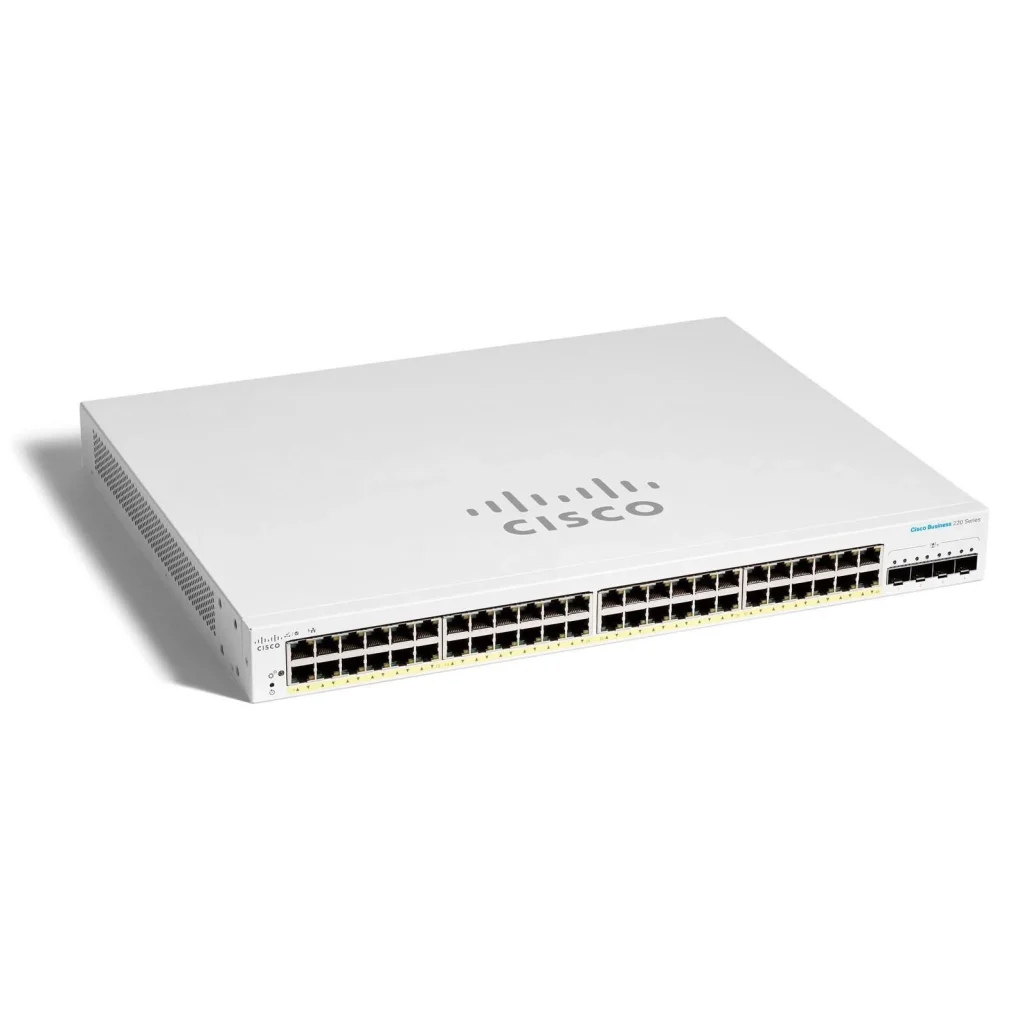
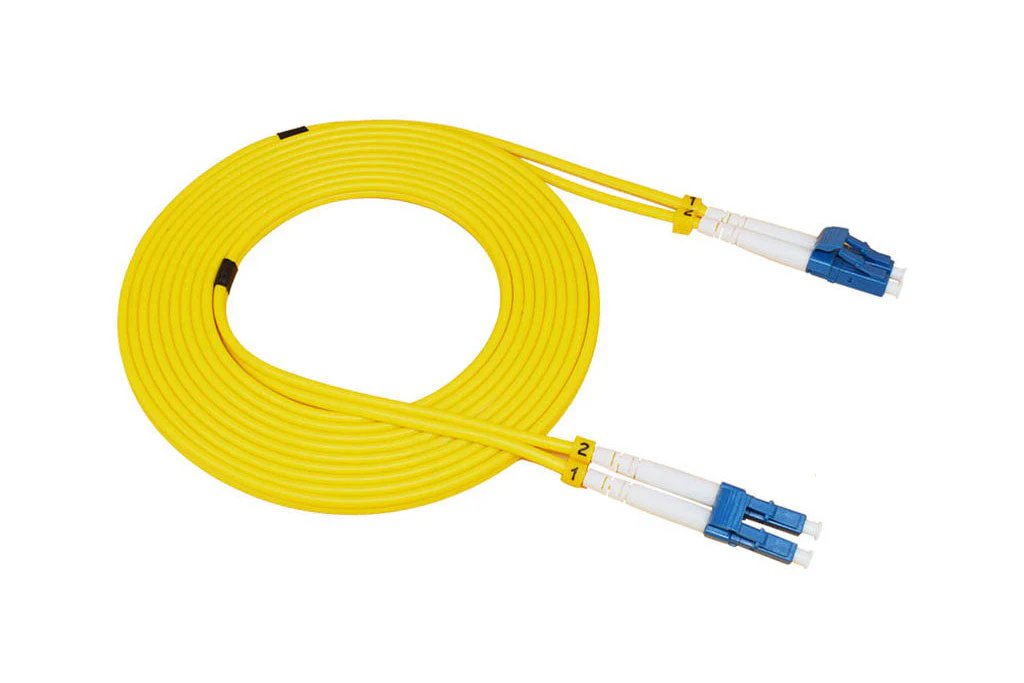
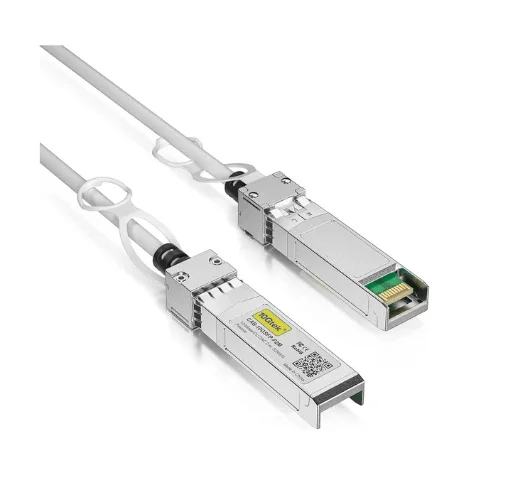
To connect your ground floor “Core” to your upper floor “Edge,” we use professional SFP (Small Form-factor Pluggable) modules.
1. The Fiber Optic Cable
- Specification: Pre-terminated OS2 Single-Mode Fiber (2-core or 4-core).
- Installation: Run through dedicated internal conduits (following our no-surface-trunking policy).
- Why: It is thinner and more flexible than copper, making it easier to hide in non-intrusive installations.
2. SFP/SFP+ Transceiver Modules
These modules plug into your switches to convert electrical signals into light.
- Cisco Options: Cisco GLC-LH-SMD (for Cisco Catalyst switches).
- Aruba Options: Aruba Instant On 1G/10G SFP/SFP+ Transceivers.
- EnGenius Options: EnGenius SFP+ 10Gbps modules for high-speed cloud-managed backbones.
3. The “Switch-to-Switch” Link
- Ground Floor (Core): A Cisco Catalyst or Ruckus ICX switch with SFP ports.
- Upper Floor (Edge): A smaller, fanless Ruckus ICX 7150-C12P or EnGenius ECW switch.
- The Connection: The Fiber cable links these two switches directly via the SFP modules, creating a high-speed “highway” between floors.
Multi-Floor Configuration: Ruckus & Cisco Possible Implementation
A practical multi-floor configuration connects the main rack and upper-floor sub-rack through a dedicated fiber backbone.
| Component | Ground Floor (Main Rack) | Upper Floor (Sub-Rack) |
|---|---|---|
| Switch | Cisco Catalyst 9200L (with SFP+ Ports) | Ruckus ICX 7150-C12P (Compact/Silent) |
| Transceiver | Cisco 10G SFP+ Module | Ruckus 10G SFP+ Module |
| Backbone | OS2 Single-Mode Fiber | (Receives signal from Fiber) |
| Purpose | Feeds Security, Gate, and Living Area | Feeds Bedrooms, Home Office, and Roof Terrace |
Qubit ICT’s “Invisible” Fiber Policy
The fiber riser is treated as the “spine” of the house while remaining as unobtrusive as possible.
At Qubit ICT Solutions, we treat the fiber riser as the “spine” of the house.
- Non-Intrusive: We identify vertical service shafts or unused conduits to run the fiber, ensuring no drilling is visible in your finished rooms.
- No Surface Trunking: We refuse to use plastic casing. If a conduit doesn’t exist, our engineers find a structural path that maintains the aesthetic integrity of your home.
- Testing: We use specialized optical power meters to ensure the fiber link is perfect before the first Aruba or Ruckus AP is even powered on.
Secure the Backbone Before the Devices
A resilient smart home depends on infrastructure that is properly routed, tested and prepared before the connected devices are powered on.
Secure Your Smart Home Investment
If you are planning a smart home, stop looking at the shiny touchscreens for a moment and look at your router. Is it tucked behind a sofa? Is it the same one the ISP gave you for free? If so, your smart home deployment is headed for a nightmare.
Invest in your network backbone first. It is the single most important investment you will make in your modern home. It ensures that your technology serves you, rather than you serving your technology.
Don’t settle for copper between floors. Let Qubit ICT Solutions install a professional Fiber Optic backbone using Cisco, Ruckus, and Aruba hardware for a resilient, lightning-fast smart home.
Ready to build a frustration-free smart home?
Don’t let bad networking ruin your experience. Build the infrastructure first, then let the smart home grow around it.
Don’t let bad networking ruin your experience. Contact Qubit ICT Solutions today for a consultation. Let’s design a resilient, invisible, and high-performance network that brings your smart home to life.
- Professional Networking: Build a robust network backbone before deploying smart home components.
- Invisible Infrastructure: Protect your home’s aesthetic integrity through non-intrusive cabling and installation.
- Fiber Optic Backbones: Future-proof multi-floor homes with professional Fiber, SFP and SFP+ infrastructure.
Build the backbone first.
Let’s design a resilient, invisible, and high-performance network that brings your smart home to life.