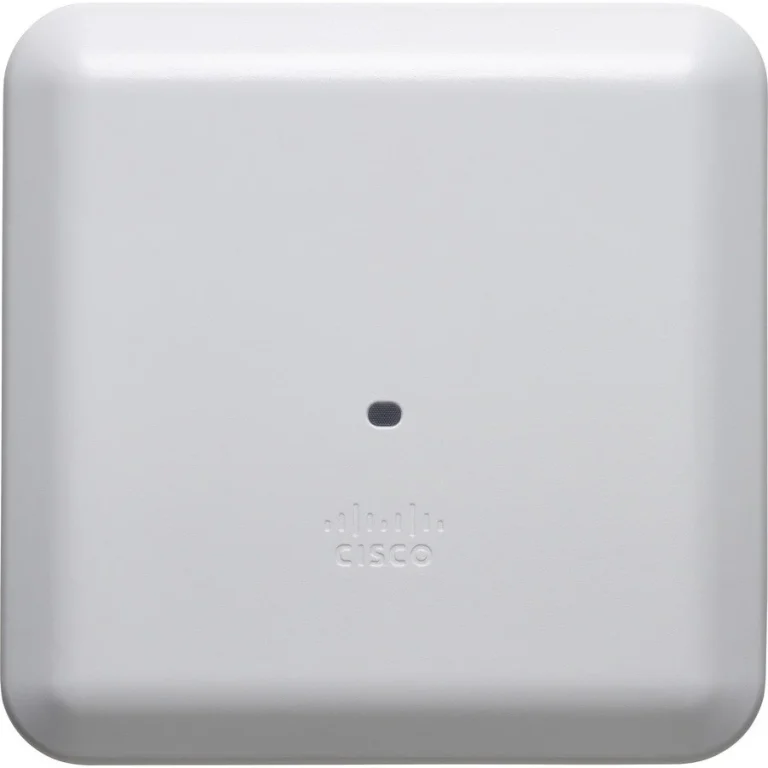
Cisco Aironet 3702i vs. Ruckus ZoneFlex R700
Two enterprise Wi-Fi workhorses from the 802.11ac Wave 1 era still have a place in modern secondary-market deployments. The real choice comes down to visibility and intelligence versus physical RF performance in demanding environments.
In the mid-2010s, two hardware giants emerged as the gold standard for enterprise Wi-Fi: the Cisco Aironet 3702i and the Ruckus ZoneFlex R700. They were the flagship 802.11ac Wave 1 access points that defined the era of “Gigabit Wi-Fi.”
While the networking world has since moved into Wi-Fi 6 and 7, these two models remain remarkably relevant in 2026. Today, they are the dependable workhorses of the secondary market, offering enterprise-grade stability for businesses and power users who need performance without the modern subscription price tag.
But which one is right for your environment? The answer lies in their diverging philosophies: Cisco’s obsession with intelligence and analytics versus Ruckus’s mastery of physical RF density.
The Cisco Aironet 3702i and Ruckus ZoneFlex R700 remain compelling enterprise Wi-Fi workhorses in 2026 because they pair proven 802.11ac hardware with specialized strengths. Cisco favors deep visibility, spectrum intelligence and client optimization, while Ruckus emphasizes BeamFlex RF performance and high-density connectivity, making each better suited to different deployment priorities.
Cisco Aironet 3702i: The Analytical Powerhouse
Cisco approached enterprise wireless from the perspective of visibility, optimization and administrator control. The 3702i was built for organizations that want to understand what is happening inside the RF environment.
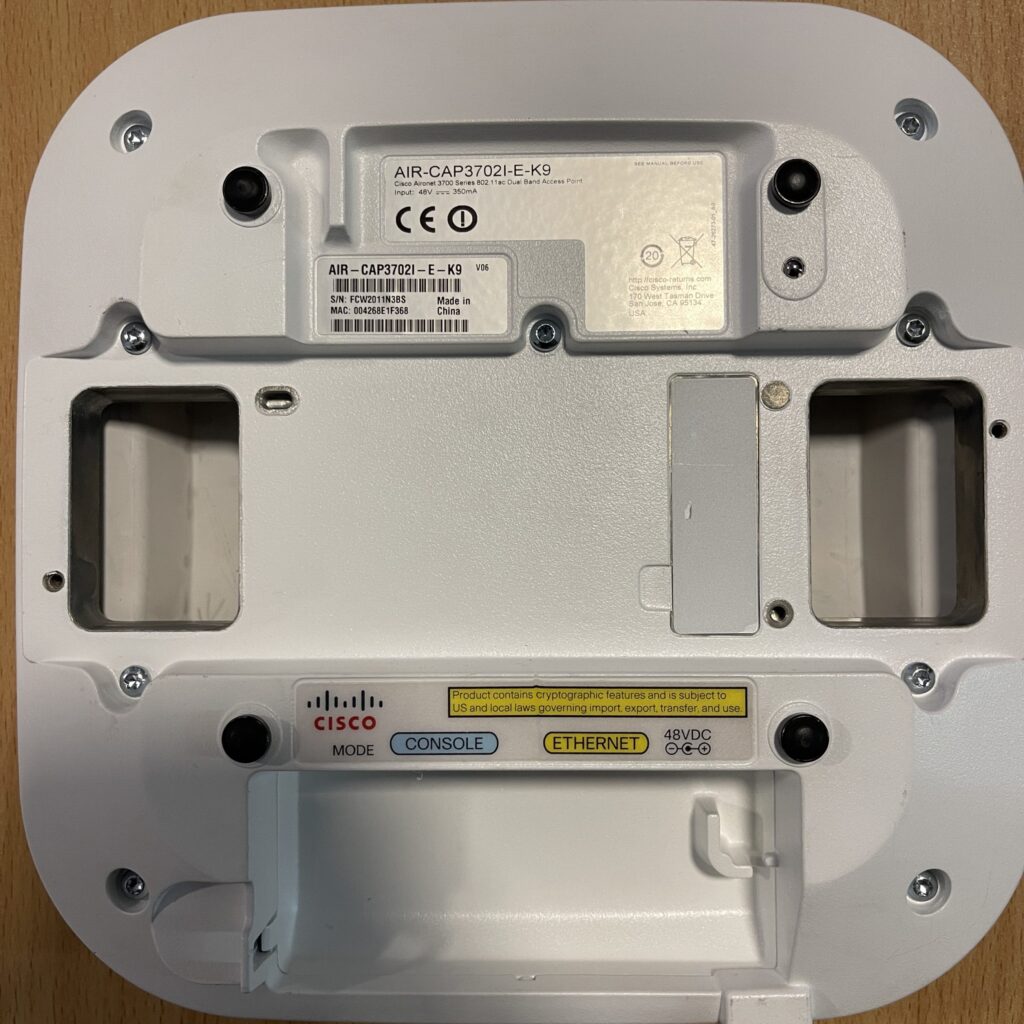
The Cisco 3702i was designed for the administrator who wants total visibility. It isn’t just an access point; it’s a sensor for your network environment. The “i” designation indicates internal antennas, making it the sleek choice for professional office aesthetics.
That philosophy becomes particularly clear when looking at the technologies Cisco built around the platform. Rather than treating wireless performance as simply a question of raw throughput, the 3702i gives administrators tools to understand interference, client behavior and spectrum conditions.
Deep Visibility with CleanAir
The standout feature of the 3702i is Cisco CleanAir technology. While most APs simply try to avoid interference, the 3702i identifies it. Using a dedicated hardware silicon chip, it can distinguish between a microwave oven, a cordless phone, and a rogue Bluetooth bridge. This data is fed into Cisco’s management engine to provide high-level spectrum analytics that most modern consumer routers still can’t match.
The HDX Suite
The 3702i introduced the High Density Experience (HDX), a suite of features including ClientLink 3.0. This digitally optimizes the signal for older 802.11a/g/n clients and modern devices alike, helping ensure that one “slow” device doesn’t drag down the entire network’s throughput.
Cisco’s core advantage: knowing what is happening
The 3702i is especially attractive where troubleshooting, spectrum awareness and network intelligence matter as much as connectivity itself. For administrators managing mission-critical wireless environments, visibility can be as valuable as speed.
Ruckus ZoneFlex R700: The King of High-Density Connectivity
If Cisco is the “brains” of the operation, Ruckus takes the role of the “muscle,” using intelligent antenna design to tackle difficult RF environments from the physical layer.

If Cisco is the “brains” of the operation, the Ruckus ZoneFlex R700 is the “muscle.” Ruckus took a different path, focusing on the physics of the radio signal itself to solve the “noisy” environment problem.
This approach is particularly relevant in environments where many clients compete for airtime, where walls create difficult propagation conditions, or where neighboring wireless networks create substantial interference.
BeamFlex+ Technology
The R700 features BeamFlex+, Ruckus’s patented smart antenna system. Instead of a standard omnidirectional antenna, the R700 houses an array of high-gain directional elements. It uses software to “steer” the signal, choosing from over 3,000 unique antenna patterns in real-time.
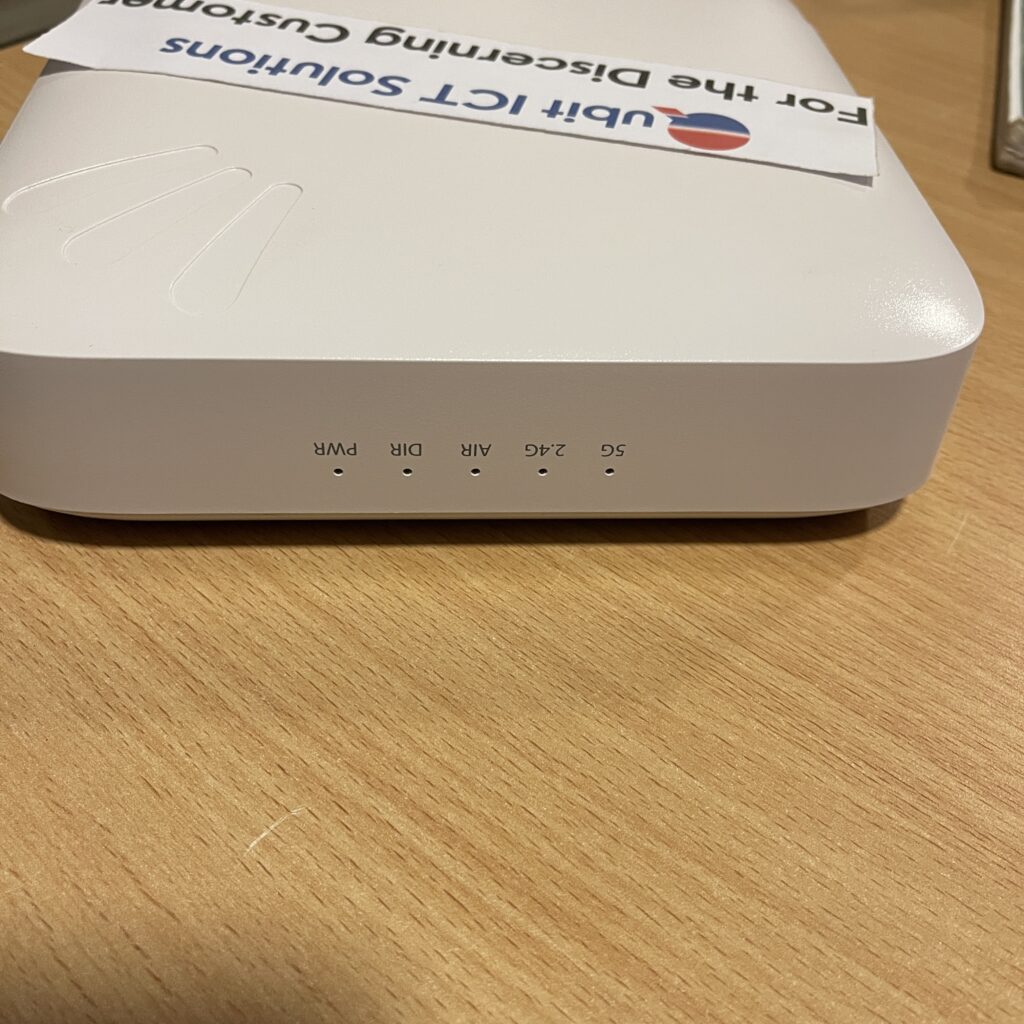
In a high-density environment—like a crowded lecture hall or a busy cafe—the R700 outperforms almost everything in its class. It physically directs the signal toward the client and away from interference, increasing the Signal-to-Interference-plus-Noise Ratio (SINR) by up to 6 dB.
The result is a fundamentally different way of approaching wireless capacity: rather than relying only on software to manage airtime, Ruckus uses antenna intelligence to improve the quality of the radio connection itself.
Capacity Without the Chaos
While Cisco relies on software to manage airtime, Ruckus uses its antenna array to physically mitigate the chaos. This makes the R700 the superior choice for environments where hundreds of devices are competing for a connection in a small, interference-heavy space.

This is the central distinction between the two platforms. Cisco’s strength is analytical control over the wireless environment, while Ruckus’s strength is manipulating the RF environment to create a stronger, cleaner connection for clients.
Side-by-Side Comparison
Both access points deliver enterprise-class 802.11ac Wave 1 capability, but their hardware philosophies lead to different strengths in real-world deployments.
| Feature | Cisco Aironet 3702i | Ruckus ZoneFlex R700 |
|---|---|---|
| Standard | 802.11ac Wave 1 (4×4:3) | 802.11ac Wave 1 (3×3:3) |
| Max Throughput | 1.3 Gbps (5 GHz) | 1.3 Gbps (5 GHz) |
| Antenna Tech | ClientLink 3.0 (Digital) | BeamFlex+ (Physical/Smart) |
| Core Strength | Spectrum Analytics & Security | High-Density Connectivity |
| Management | Mobility Express / Controller | ZoneDirector / Unleashed / Cloud |
| Best For | Mission-critical visibility | High-traffic venues |
Four reasons these enterprise workhorses still earn consideration
Enterprise-Grade Stability
Both platforms were engineered for demanding enterprise environments, making their proven hardware attractive on the secondary market where dependable operation matters more than having the newest Wi-Fi generation.
Strong Gigabit-Class Performance
Both deliver a 1.3 Gbps maximum 5 GHz link, providing substantial bandwidth for office productivity, streaming and video conferencing despite their age.
Specialized Wireless Intelligence
Cisco brings spectrum analytics and client optimization, while Ruckus brings intelligent antenna technology, giving each platform a distinct advantage over simpler consumer hardware.
Controller-Free Options
Ruckus Unleashed and Cisco Mobility Express can provide controller-less experiences for smaller deployments, reducing the infrastructure required to operate an enterprise wireless network.
Modern-Day Reliability: Why They Still Matter
Newer Wi-Fi generations offer important advantages, but age does not automatically make enterprise hardware irrelevant. For certain deployments, proven stability and low acquisition cost remain powerful considerations.
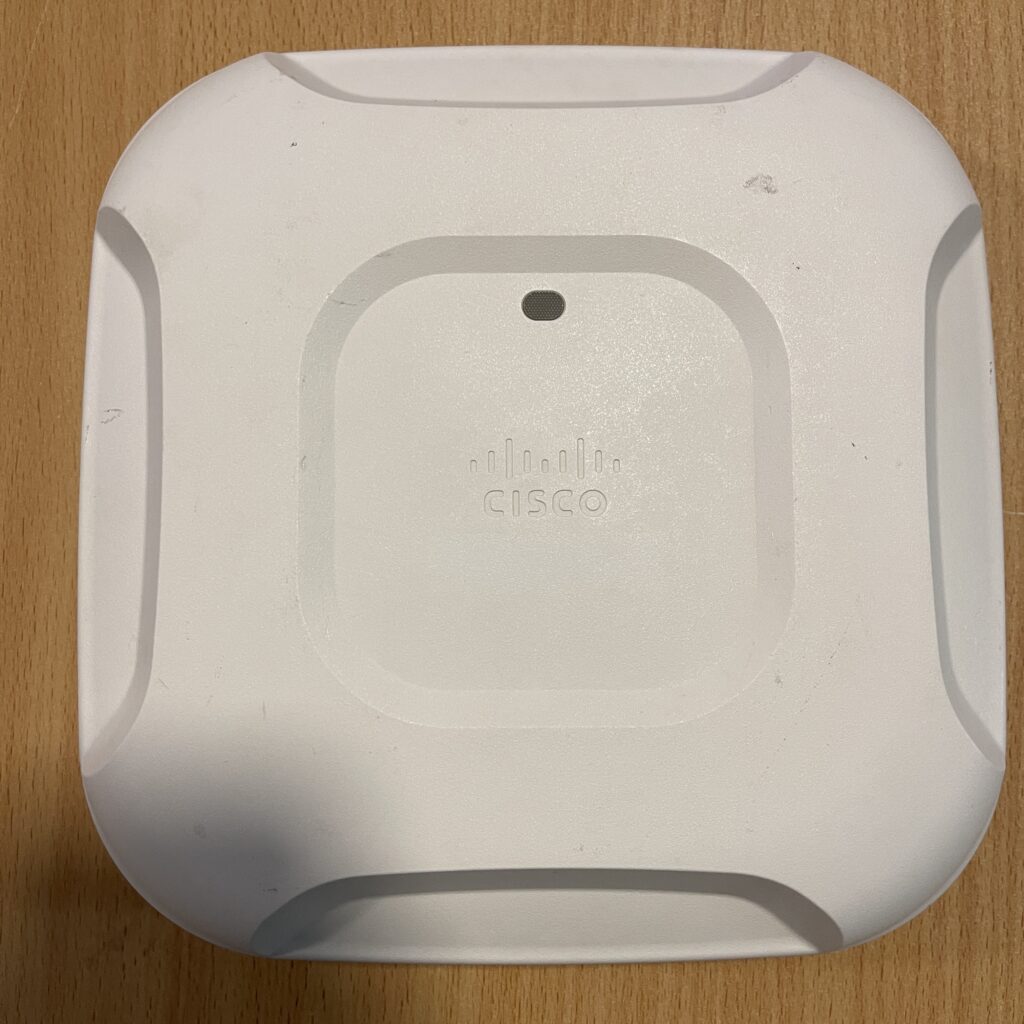
Why are people still deploying these in 2026? It’s because their hardware was over-engineered for the time.
That makes the secondary market particularly interesting for organizations that do not require every current wireless feature and instead prioritize predictable performance, mature enterprise hardware and a lower acquisition cost.
- Industrial Build Quality: Both units feature heavy-duty heat sinks and metal-backed casings. Unlike modern plastic “prosumer” APs, these were built to run for a decade without a reboot.
- Stability over Speed: While they don’t support Wi-Fi 6, they provide a rock-solid 1.3 Gbps link. For 90% of office tasks, 4K streaming, and Zoom calls, this is more than enough bandwidth.
- The “Unleashed” Factor: Ruckus offers Unleashed firmware for the R700, allowing it to run without a separate controller. Cisco offers Mobility Express for the 3702i, providing a similar controller-less experience for smaller deployments.
Legacy does not automatically mean unsuitable
The right question is not whether these APs are newer than Wi-Fi 6 or Wi-Fi 7. It is whether their existing capabilities match the performance, density, management and budget requirements of the deployment. In the right environment, mature enterprise hardware can still deliver considerable value.
The Final Verdict: Cisco Intelligence or Ruckus RF Performance?
Choose the Cisco 3702i if you are an IT professional who thrives on data. If you need to troubleshoot exactly what is killing your signal or if you want a network that doubles as a security sensor, Cisco’s analytical tools are the industry standard.
Choose the Ruckus ZoneFlex R700 if you just want the Wi-Fi to “work” in a difficult environment. If you have brick walls, hundreds of users, or lots of neighbors with competing Wi-Fi, the BeamFlex technology provides the most stable physical connection possible.
Both were the giants of their time, and both remain the most dependable workhorses you can buy today. At Qubit ICT Solutions Kenya, these are some of our defaults for a no fuss wireless deployment.
Choosing the Right Enterprise Wi-Fi for Your Environment
The best access point is not necessarily the newest one. It is the platform whose radio design, management model and deployment characteristics fit the environment you need to serve.
For organizations evaluating the secondary market, the Cisco Aironet 3702i and Ruckus ZoneFlex R700 demonstrate two very different approaches to enterprise wireless. Cisco is compelling when visibility, analytics and network intelligence are priorities, while Ruckus becomes especially attractive when RF density and difficult wireless environments are the central challenge.
At Qubit ICT Solutions Kenya, the practical decision should begin with the environment: the number of users, building materials, interference levels, coverage requirements and preferred management model. From there, the hardware can be matched to the actual deployment rather than selected on specifications alone.
Not Sure Which Enterprise AP Fits Your Network?
Tell Qubit ICT Solutions Kenya about your environment, user density and wireless requirements. We can help you determine whether the Cisco 3702i, Ruckus R700, or another enterprise platform is the better fit for your deployment.