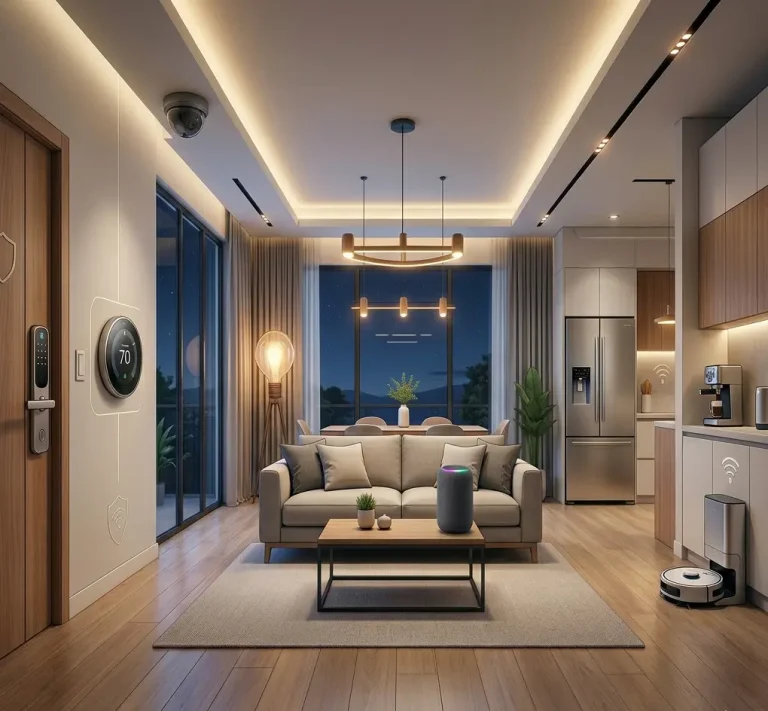
Your Nairobi Luxury Home Needs a Real Network
A multi-million shilling home cannot depend on an ISP router, wireless extenders and improvised connectivity. Premium residential properties demand engineered infrastructure built around reliability, security, coverage and local network sovereignty.
If you are trying to run a multi-million shilling home in Nairobi using the blinking plastic box your internet service provider (ISP) bolted to your wall, we need to talk.
There is a lazy, systemic narrative pushed by both mass-market ISPs and copy-paste consumer AI scripts. It goes like this: “Plug your fiber box into the wall, turn on the Wi-Fi, and if the master bedroom drops connection, just plug a cheap wireless extender into the hallway.”
This advice is a technical lie, usually found on faceless, low-effort affiliate blogs pushing “Top 10 Best Routers in Kenya” listicles. Those sites exist solely to collect a quick KES 500 commission by tricking you into clicking a link to buy entry-tier hardware on Jiji or Amazon that has never been tested in a high-density, luxury architectural environment.
When applied to high-liquidity Nairobi properties, this copy-paste configuration collapses completely. A premium estate demands real engineering. If you are deploying automated locks, IP security grids, multi-room audio, and smart lighting on a stock provider box, you don’t have a smart home—you have an expensive, packet-dropping tech support nightmare waiting to happen.
Premium Nairobi homes need engineered network infrastructure, not ISP routers and wireless extenders. A properly designed backbone provides reliable coverage, stronger security, intelligent traffic management, resilient smart-home connectivity and backup power. The right architecture protects expensive technology investments while delivering the dependable, discreet connectivity luxury properties require.
The Core Hard Truths
Premium residential networking begins by separating internet service from the physical and logical infrastructure inside the property.
Internet is Not Network
An ISP is in the commodity bandwidth business, not the infrastructure engineering business. Their legal and operational obligation ends exactly at your property line. Expecting a provider’s box to manage local routing for a complex home is like expecting the water company to design your luxury bathroom plumbing. They should drop a media converter or configure their box to Bridge Mode to pass the public IP to a real router, and then get out of the way.
Home Networking is Infrastructure CAPEX
A functional Local Area Network (LAN) is a permanent utility, exactly like structured plumbing or electrical wiring. If a house is built without a dedicated wired backbone, retrofitting it properly will hurt financially.
Building a stable local network requires a solid copper or fiber backbone. If this wasn’t provisioned during the blueprint and conduit stage of construction, the homeowner should think in terms of tens of thousands of shillings at a bare minimum, easily spanning to hundreds of thousands of shillings to neatly core-drill, backhaul, and rack the property. True luxury architecture demands that infrastructure engineering be integrated at the foundational stage to guarantee a completely cable-free aesthetic.
Wi-Fi Extenders are an Abomination
Wireless range extenders and repeaters should not be part of even the saddest home network deployment. They utilize a single half-duplex radio to receive and re-transmit data, which instantly slashes your available WAN throughput by 50%.
Worse, they lack centralized coordination, confusing mobile devices with a chaotic handoff that leaves your phone permanently “stuck” to a weak, dying signal from across the house. With local ISPs aggressively bumping connection packages—pushing mid-tier and premium fiber pipes from 60 Mbps up to 150 Mbps or even 400 Mbps—dumping that massive incoming pipe into a cheap, half-duplex wireless repeater means you are literally paying for bandwidth your local hardware is physically incapable of distributing.
The Surrendered LAN is an Absolute Danger
Running an entire home on an ISP-provided all-in-one router is not only technically weak, but it is also highly dangerous. By plugging your local file storage, internal security cameras, and smart locks directly into a provider box, you completely surrender your boundary perimeter.
Providers maintain remote TR-069 or TR-369 administrative management access to these boxes. A rogue provider employee, a mass firmware vulnerability, or a remote helpdesk agent can theoretically scan your local subnet, view your device hostnames, and potentially access unencrypted local CCTV feeds. You are actively placing your loved ones and private data at risk.
Truth E: Sovereignty Over Quality Control & Parenting
A professional standalone router establishes a hardened firewall boundary. It gives you true local authority: deep packet inspection, robust parental controls (DNS-level filtering, scheduled hardware cut-offs via MAC address), and proper traffic shaping so a heavy corporate video call doesn’t freeze when someone else starts a download.
Four reasons to engineer your home network properly
Reliable Whole-Home Coverage
A structured backbone and correctly positioned access points provide dependable connectivity across complex layouts, multiple floors and expansive residential footprints.
Stronger Security Boundaries
Dedicated routing, firewalling and isolated VLANs create greater control over private devices, CCTV, smart-home equipment and sensitive household data.
Smart-Home Readiness
A properly engineered LAN gives numerous connected devices the local infrastructure required to communicate reliably without overwhelming consumer-grade hardware.
Resilience and Local Control
Managed switching, professional routing and solar or inverter backup can keep the network operational even when the local electrical grid fails.
The Smart Home Logical Paradox
Connected homes create a dense local ecosystem that requires significantly more network planning than a basic internet connection.
A smart home attempt without a dedicated home network is fundamentally risible.
A smart home is not a collection of independent internet-connected gadgets; it is a hyper-dense, highly talkative local ecosystem. When you pile 40 smart bulbs, 6 smart switches, automated gates, inverter data cards, and 8 IP cameras onto a cheap consumer router, you aren’t just taxing the wireless spectrum—you are choking the device’s tiny DHCP server and NAT routing table.
Local Client Processing (LAN) is completely distinct from Internet Bandwidth (WAN). A smart bulb or security camera shouldn’t need the internet to process a local command, but it does require a robust local network topology to route the packet without dropping it. Cheap all-in-one boxes use low-tier chipsets with minimal memory; they drop packets and freeze up when concurrent local clients hit a critical threshold, requiring a manual reboot.
Nairobi Geographic & Architectural Reality Matrix
Nairobi’s premium residential enclaves present completely different structural and wireless roadblocks. A single box can never handle these environments, making an early-stage architectural consultation mandatory to prevent irreversible technical debt.
| Region Archetype | High-Liquidity Estates | Structural Chokepoints | Core Network Mandate |
| The Low-Density Acreage Belt | Karen (Miotoni, Windy Ridge), Runda (Mimosa, Evergreen), Muthaiga | Massive sprawling footprints, detached guest wings, staff quarters, separate outdoor entertainment gazebos. | Central Control Room (MDF), multi-node fiber or Cat6A physical backhauls, IP67 ruggedized perimeter APs for gatehouses and security lines. |
| The Multi-Level Topography | Kitisuru, Lower Kabete, Loresho | Steep rolling terrains, multi-level split designs, thick vertical reinforced concrete retaining slabs and foundation walls. | Floor-by-Floor Vertical Drops. Zero reliance on vertical cross-floor RF penetration; every level must have its own hardwired access node. |
| The Hyper-Dense Vertical Enclaves | Ruaka, Westlands, Riverside, Kilimani, Lavington | Monolithic concrete-box apartments, thick reinforced concrete shear walls/columns, extreme neighboring co-channel RF noise. | Temperature-Regulated Enclosures, discrete flush wall-plate APs, strict deployment of localized short-throw wireless cells, active dynamic channel tuning (DFS), and private VLAN segmentation. |
| The Commuter Maisonette Corridors | Syokimau (Wananchi Rd, Katani Rd), Kitengela (Chuna, Acacia Enclaves) | Flat-roof/hidden-roof concrete slabs, extreme wind/dust loads, narrow 3-level layouts, off-grid hybrid solar inverter setups. | Dust-Sealed Cabinets, robust PoE centralized switching, vertical cabling backhauls, and mandatory network-core solar power integration. |
The Standardized Physical Hardware Stack
True local sovereignty requires a clean physical architecture, centralized management and appropriate separation between private, smart-home and security traffic.
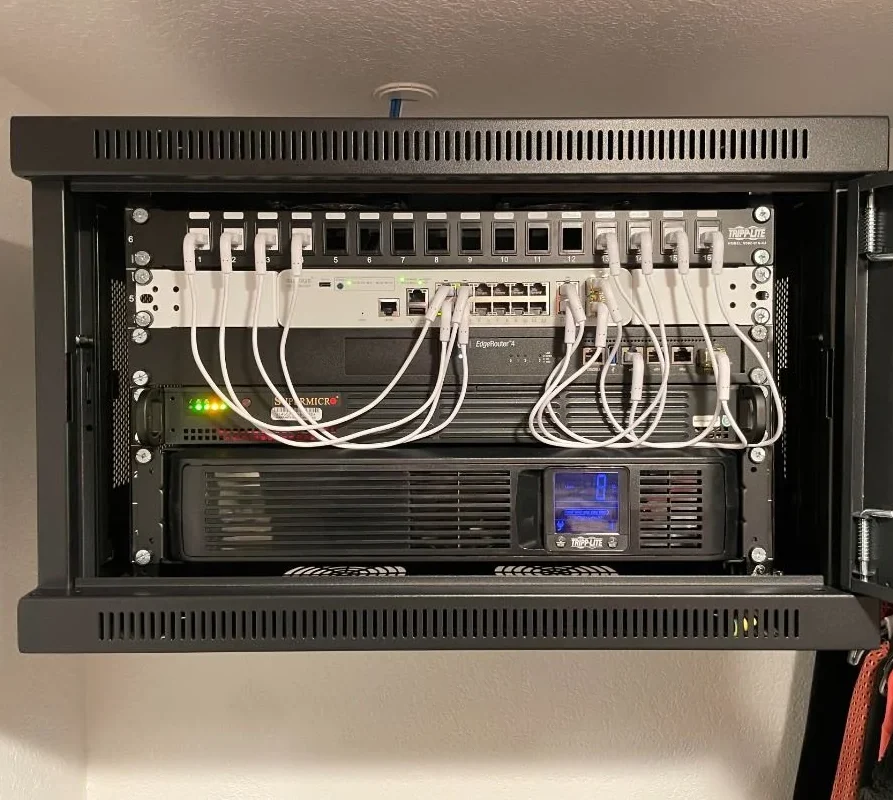
To achieve true local sovereignty, your infrastructure must follow a clean, structured physical architecture. The local network core must be housed either in a dedicated, ventilated central control room (MDF) or, in its absence, a through-temperature-regulated, wall-mounted networking cabinet (6U to 12U) fitted with passive or active exhaust fans to prevent high-performance components from thermal throttling.
The physical hardware stack must follow this precise top-to-bottom lineage:
[ISP Fiber Glass Line]
          │
          ▼
[ISP Hybrid ONT/Router] ───> (FORCE INTO BRIDGE MODE: Stripped of routing/Wi-Fi)
          │
          ▼ (Copper WAN Hand-off via Cat6A)
[Dedicated Cable Router/Gateway] ───> (Processes NAT, Firewall, DHCP, and VLANs)
          │
          ▼
[PoE Managed Layer-2/3 Switch] <─── [Clean Solar / Inverter UPS Power Input]
          │
     ┌───────────────────┐
     ▼                                                                     ▼
[Isolated Subnet: Private LAN]                 [Isolated Subnet: Smart Home IoT & CCTV]
(Laptops, Secure NAS Data Shares)       (Vulnerable Smart Bulbs, IP Camera Feeds)
The Power Arbitrage Rule
Grid failure does not equal internet failure. Fiber optic distribution lines (FTTH) are typically powered by independent backup systems across the neighborhood block. When Kenya Power drops a grid sector, the glass fiber line entering your home is almost always still carrying active WAN data.
Integrating your network core (Gateway Router + PoE Switch) into a clean solar or inverter UPS backup system takes advantage of this arbitrage. When the local grid blacks out, your home infrastructure remains 100% online, your security cameras keep recording, your automation stays up, and your connectivity never drops.
Hardware Typology vs. Lifestyle Mapping
Choosing hardware is a direct equation based on your lifestyle, tenure permanence, and architecture.
Choosing hardware is a direct equation based on your lifestyle, tenure permanence, and architecture:
Architecture+Infrastructure State+Tenure Type=Hardware Selection
The Disgraceful Floor (The Stock ISP Router)
Hardware Examples: Ubiquitous carrier-issued units like the Huawei HG8245H, EG8245H5, or standard Technicolor coax gateways.
Operational Consequence: Stripped of all routing duties, forced into Bridge Mode, and locked inside your dark network cabinet entirely out of sight. It must remain invisible to human eyes—and to your pets, who would look at its blinking green diagnostic lights and fall into a deep, existential depression over the tragic state of your home’s engineering infrastructure.
Liquid Mobility (The Portable Gateway)
For smaller apartments, temporary rentals, or open-plan layouts where cutting into walls isn’t an option, the strategy focuses entirely on clean disintermediation. Instead of deploying complex multi-node systems, this blueprint introduces a high-gain, unified wireless gateway to completely bypass the ISP’s weak onboard software logic.
By placing the service provider’s modem into basic bridge mode, a dedicated engine like the Belkin RT1800 Dual Band Wi-Fi 6 Router can assume full responsibility for DHCP, firewalling, and local broadcasting. This delivers localized, high-speed throughput and modern cryptographic security protocols without requiring a single run of surface trunking. For highly streamlined, entry-level horizontal zones where simple, reliable coverage is the primary metric, a clean, single-point routing engine such as Apple Airport Extreme provides the exact structural independence required to shield personal data traffic from default ISP firmware loops.
The Prosumer Compromise (The Adaptive Retrofit)
When scaling up to multi-story townhomes or expansive single-level floor plans, a single gateway no longer suffices due to masonry attenuation. However, if the property is already finished and structural modifications are prohibited, the architecture must transition to an intelligent multi-node wireless ecosystem that coordinates roaming without physical disruption.
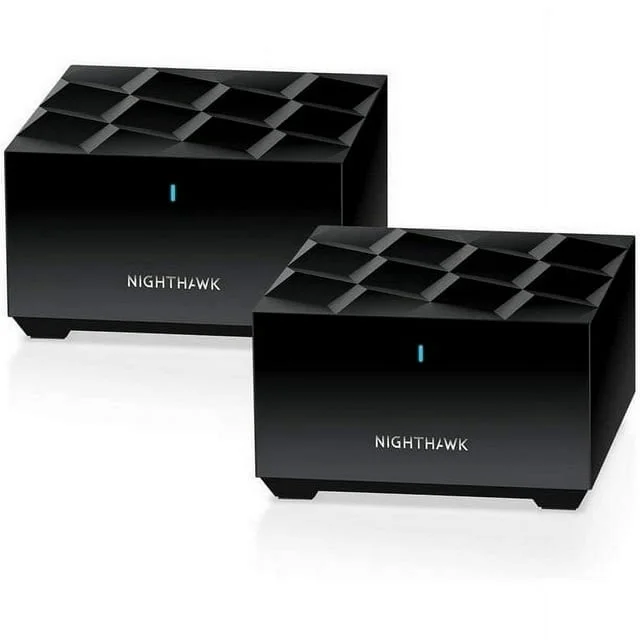
Deploying a structured multi-point layout using platforms like the MeshForce M1 Whole Home System allows the property to maintain a single, unified SSID across thousands of square feet without tearing open brickwork. For architectural layouts requiring higher aesthetic discretion, integrating discrete, wall-recessed platforms like the Ruckus ZoneFlex H500 allows network nodes to drop cleanly into standard electrical junction boxes. Combined with a centralized management platform like the Engenius EWS Series or a dedicated multi-node Ruckus ZoneDirector Bundle, this approach coordinates real-time client handoffs, ensuring active video calls or streaming sessions never drop as you move between floors.
The Surgical Solution (The Dense Apartment)
Hardware Examples: Hospitality Short-Throw Wall Access Points (e.g., Ruckus H500 / H550).
Operational Consequence: A highly specialized solution for hyper-dense vertical apartment blocks (Ruaka/Westlands) where neighbor wireless interference is extreme. Units flush-mount directly over standard data junction boxes, looking like premium light switches. They create localized room-by-room wireless bubbles that easily override external spectral noise while maintaining aesthetic minimalism.
Category E: The Structured Backbone (The Definitive Infrastructure Standard)
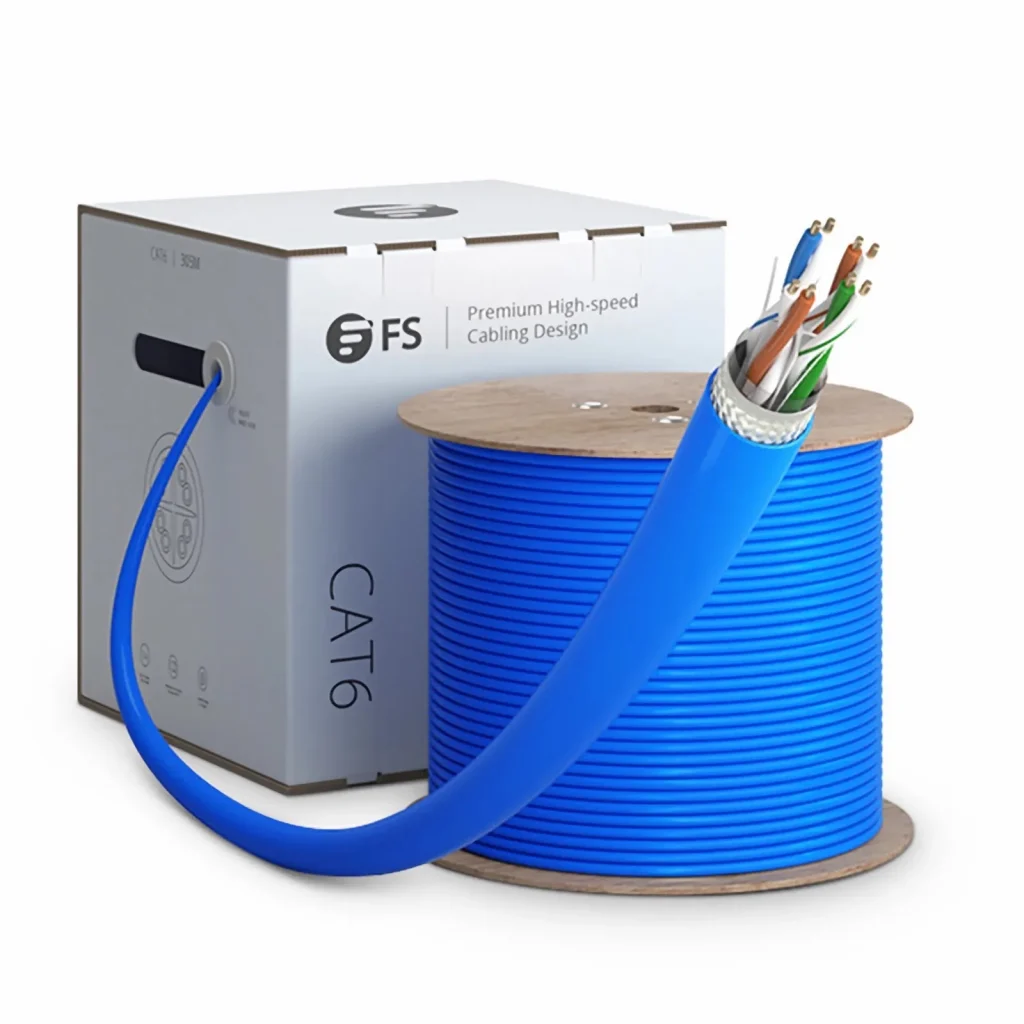
For large-scale legacy estates and high-density builds, relying on a purely wireless backplane is a systemic vulnerability. True enterprise reliability demands an unyielding physical foundation—a dedicated low-voltage copper or fiber-optic network backbone hidden completely within the walls.
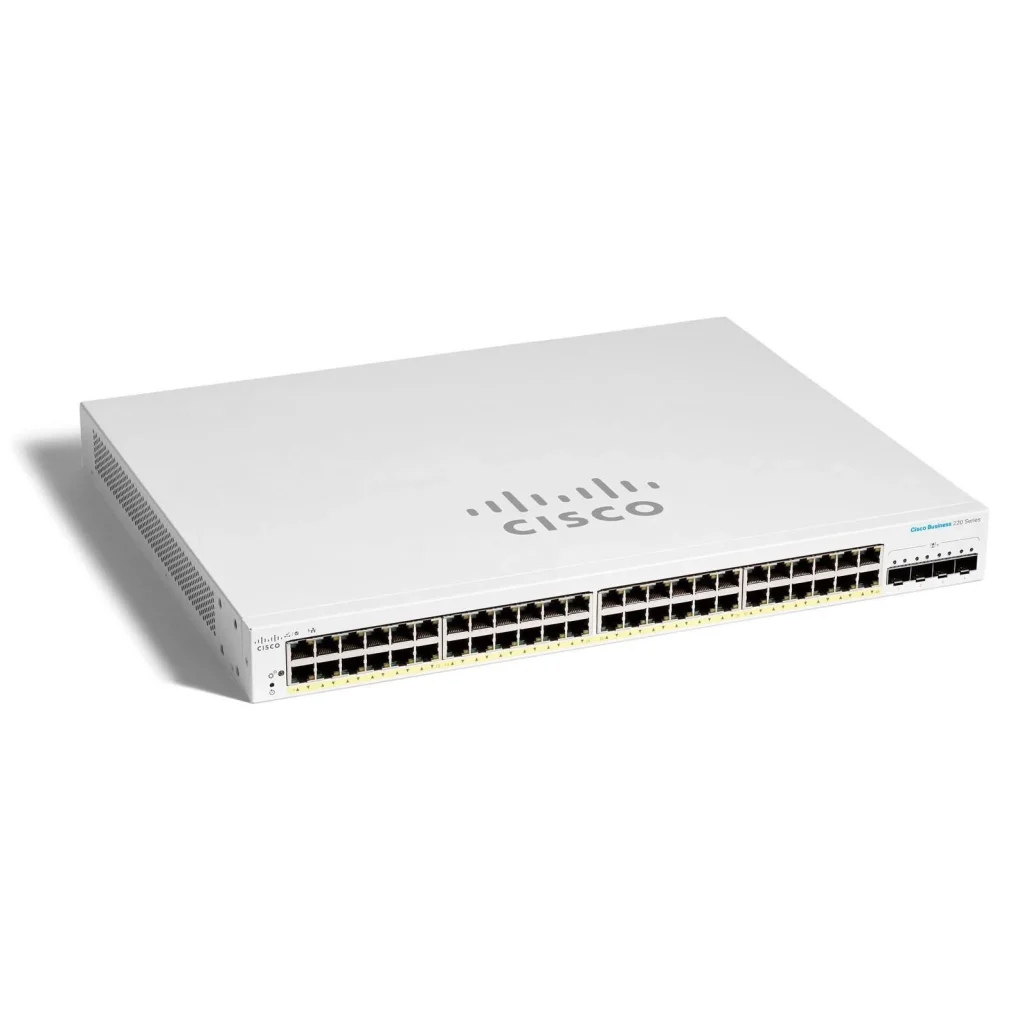
All structural connections route directly back to a secure Main Distribution Frame (MDF) cabinet. The switching core of this architecture is driven by heavy-duty Cisco Catalyst Industrial Managed Switches or highly resilient Cisco Industrial Ethernet Elements, which handle massive Layer-2 processing and provide the physical PoE backplane required to drive separate, secure VLAN subnets.
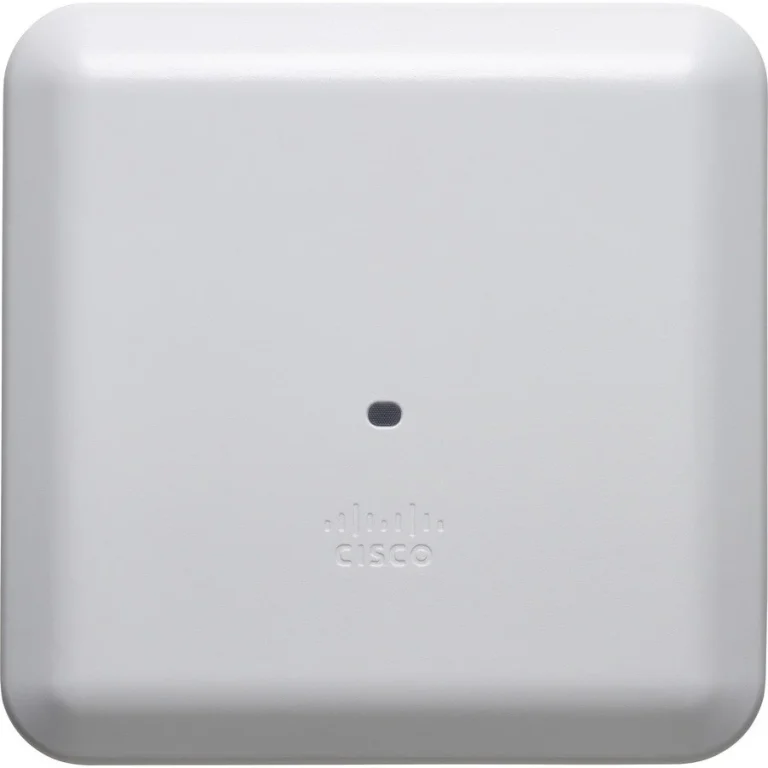
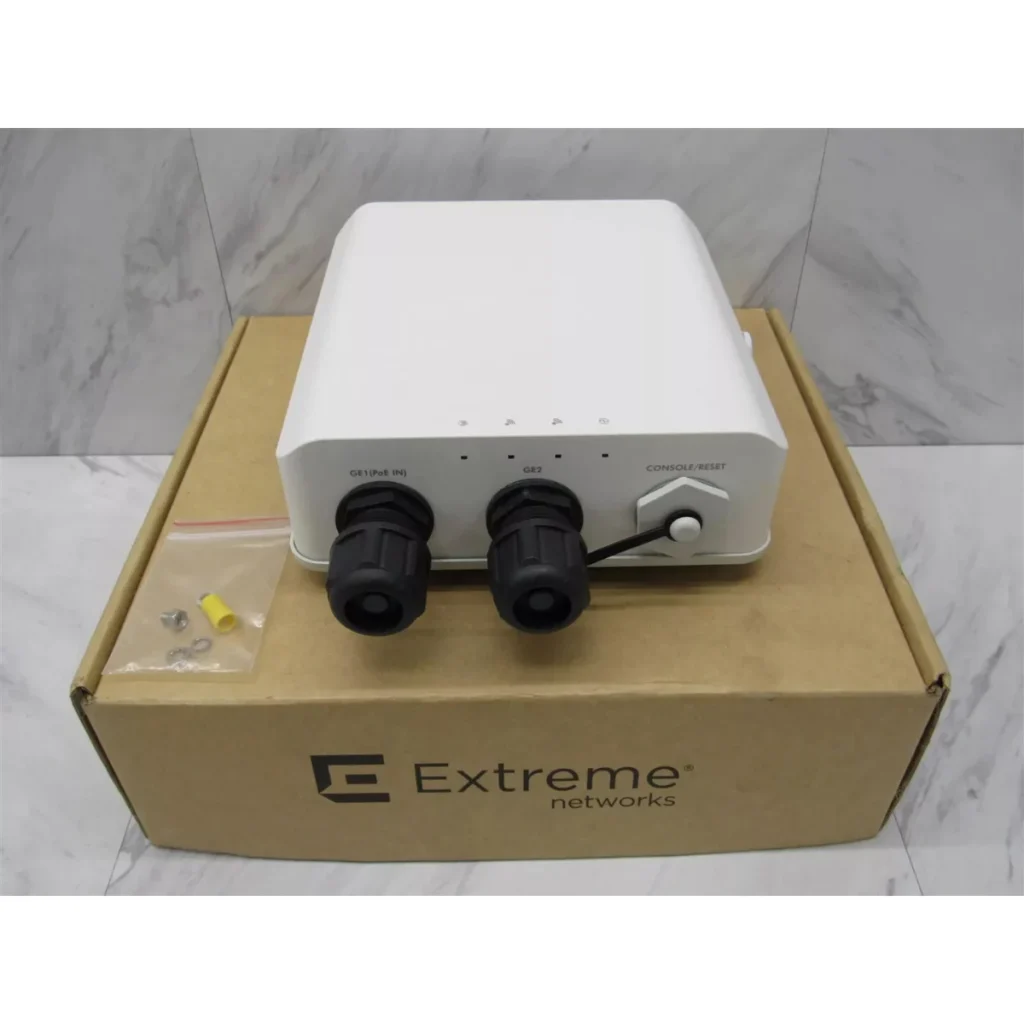
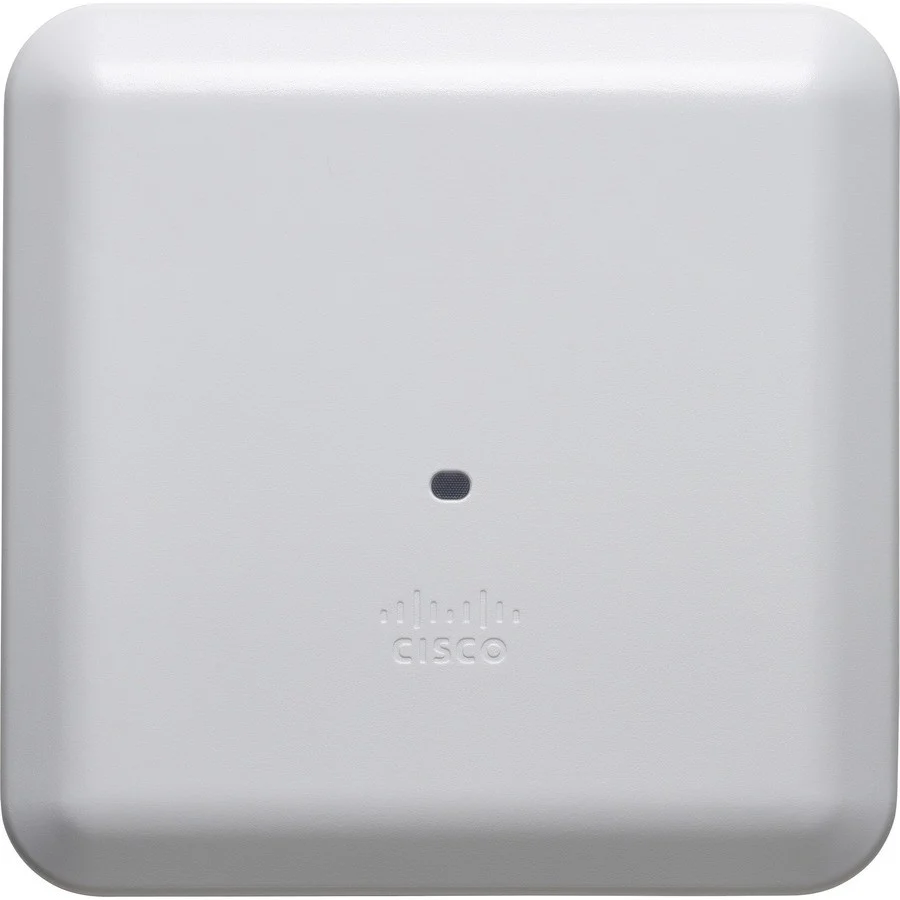
To completely eliminate the risk of single-point hardware failure without building a bloated, heat-generating server room, the estate’s wireless distribution is managed via a virtualized “controllerless” master architecture using Cisco Mobility Express. By deploying heavy-duty, clean-air access nodes like the Cisco Aironet 3700 Series or premium tri-radio Extreme Networks WiNG Enterprise Arrays ceiling-mounted across the home, the network virtualizes its wireless controller logic directly across the access points. This delivers dynamic high-availability (if one node drops, another instantly elects itself master), automated RF tuning to slice through urban noise, and absolute, uninterrupted uptime under any concurrent client load—powered cleanly down a single line via dedicated Ubiquiti UniFi PoE Components.

The Sanity Audit Checklist
Use these questions to determine whether your current home network is carrying hidden technical debt.
To instantly evaluate if your current network deployment is compromised, run through this baseline audit:
- Is your stock ISP box handling your home’s primary Wi-Fi or DHCP allocation?If yes, your local network is fundamentally insecure and unstable. Move it to bridge mode immediately.
- Do you have a wireless extender plugged into a hallway socket?Unplug it, throw it away, and run a dedicated Cat6A cable backhaul to a proper access point.
- Are your smart home devices and IP security cameras sitting on the exact same network subnet as your private work laptops or personal devices?If yes, your network boundary layer is completely open. Configure a dedicated, isolated IoT VLAN.
- If Kenya Power cuts off your neighborhood sector right now, does your home Wi-Fi signal drop instantly?If yes, you are failing to take advantage of live fiber distribution lines. Integrate an independent solar or inverter UPS backup to your network core.
A Single “Yes” Is Worth Investigating
If your current deployment triggered a single “Yes” on this audit, your infrastructure is carrying silent technical debt. For properties of this scale, resolving these bottlenecks requires an objective engineering approach. You can explore our architectural stage consultations and engineered deployment baselines at Qubit ICT Solutions.
Infrastructure Sovereignty Assessment (CapEx Brackets)
Different property types and infrastructure states require different levels of network investment and physical engineering.
| System Tier | Equipment Scope & Baseline Requirements | Investment Range (KES) |
|
Tier 1: The Liquid Nomad (The Portable Gateway) |
Standalone high-throughput desktop router, clean factory-terminated patch cords. Restricted to short-term lease or open-plan contexts. | KES 15,000 – KES 30,000 |
|
Tier 2: The Adaptive Retrofit (The Managed Wireless Ecosystem) |
Multi-node enterprise-grade Mesh system or master-node AP setup, small desktop UPS backup unit. Architectural placement optimization using existing structural pathways. Bound by physical RF limitations. | KES 60,000 – KES 120,000 |
|
Tier 3: The Structured Backbone (The Qubit Baseline) |
12U Ventilated Wall Cabinet, Dedicated Wired Gateway, Managed PoE Switch, 3-5 Controllerless Ceiling APs, Solid-State Inverter/UPS Backup, structured Cat6A/Cat7 data drops engineered entirely through concealed architectural pathways at the foundational planning stage. | KES 250,000 – KES 600,000+ |
Qubit ICT Solutions engineers discrete, low-voltage network infrastructure and high-availability communication backbones for premium residential and commercial enclaves across East Africa. To eliminate local packet loss and secure your internal network perimeter, explore our engineered deployment baselines at qubitsolutions.co.ke
Network Infrastructure Is Part of the Property
A premium home is increasingly a technology platform. Security cameras, automated gates, smart lighting, media systems, work devices, storage and connected appliances all depend on the same underlying infrastructure.
The objective is therefore not simply to get “better Wi-Fi.” The objective is to build a network that behaves like a properly engineered utility: discreet, secure, resilient, serviceable and capable of supporting the property for years without becoming an everyday source of technical problems.
Stop Treating a Luxury Home Like a Basic Wi-Fi Installation.
If your Nairobi property depends on an ISP router, wireless extenders or an improvised smart-home network, it may be time for an engineered infrastructure assessment.